
Collecting Vintage Cameras: A Complete Guide
How to start, evaluate, value, and care for a vintage camera collection — from rangefinders and SLRs to TLRs and the premium compacts driving the film revival.
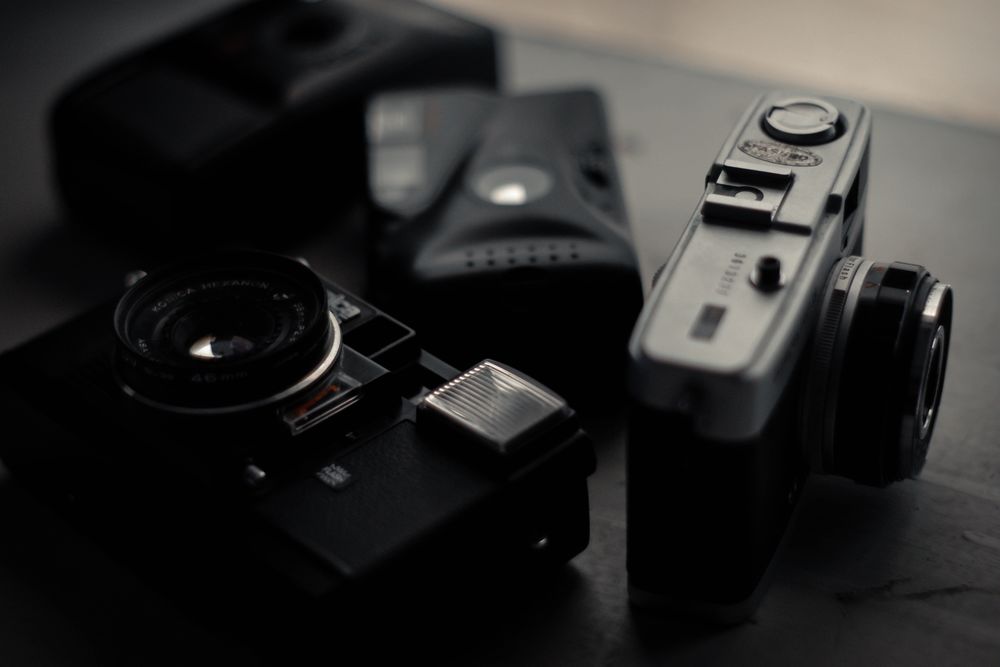
Vintage cameras sit at a rare intersection: they are beautiful objects, working machines, and a hobby being actively revived by a new generation shooting film. That mix makes collecting them rewarding — and a little more involved than collecting things you only display, because a camera’s mechanical condition matters as much as its looks. This guide covers what to collect, how to judge a camera’s condition and value, and how to keep a collection documented.
The main types of collectible cameras
Most collectors specialize by type, era, or format. The major categories:
- Rangefinders — compact, quiet, and precise; the classic enthusiast’s camera, with the most coveted (and most valuable) names in the field.
- SLRs — the workhorse single-lens reflex bodies that defined late-20th-century photography, with deep, affordable lens systems.
- TLRs — twin-lens reflex medium-format cameras prized for image quality and their distinctive waist-level look.
- Folders, box & instant cameras — early and mid-century designs, plus Polaroid-style instants, popular for their history and character.
- Premium compacts — high-end point-and-shoots that have become some of the hottest (and priciest) cameras in the current revival.
What drives value
Camera value comes from brand and model desirability first, then rarity, condition, and completeness. A handful of makers and specific models carry strong premiums; beyond those, condition and working order separate an ordinary example from a prized one. Original caps, cases, boxes, and manuals add value, and so does provenance for anything rare.
Deep dive: what is my old film camera worth? →
Want a transparent estimate for a single body or lens? Try our free value estimator →
Working condition: what to check
Unlike most collectibles, a camera is a mechanism, and its working condition is central to value. Fire the shutter at every speed and listen for accurate timing — slow speeds should not hang. Inspect the light seals (deteriorated foam causes light leaks and is a common, fixable fault), and check the lens for fungus, haze, or element separation. Test the film advance, aperture blades (oil makes them sluggish), and the meter if fitted. Many “untested” cameras simply need seals or a service to be reliable again.
Deep dive: how to tell if a vintage film camera works before you buy →
The film revival & the compact boom
A resurgence of film photography has reshaped the market. Demand from people who want to shoot these cameras — not just display them — has driven sharp price increases, most dramatically for sought-after premium compacts and well-regarded classics. The upside: there has never been more interest. The catch: prices on the popular models move fast, and condition claims matter more than ever, so buy carefully.
Authentication & common problems
Most vintage cameras are exactly what they appear to be, so the bigger risk is condition rather than fakery. Learn the common faults — lens fungus and haze, sticky or capping shutters, perished light seals, oily aperture blades, corroded battery compartments, and meters that read inaccurately. Serial numbers help date a body and confirm a model variant. For high-value cameras, buy from sellers who test and stand behind their gear, and budget for a service if needed.
Storage & care
Keep cameras and lenses cool and dry — humidity is what lets fungus take hold inside lenses, and fungus is hard to reverse. Use silica gel in storage, keep gear out of direct sunlight, and remove batteries so they can’t leak and corrode contacts. Exercise shutters now and then so they don’t seize, and give lenses some air rather than sealing them in damp bags.
Deep dive: how to store vintage cameras & prevent lens fungus →
Cataloging & managing your collection
Camera collections accumulate bodies, lenses, and accessories quickly, and the details that drive value — model variant, serial number, cosmetic grade, working status, and what’s been serviced — are easy to lose track of. A dedicated collection manager keeps a per-item record with photos, condition and service notes, and AI-assisted valuations in one insurance-ready place, so a shelf of cameras becomes a documented, defensible collection.
Frequently asked questions
Are old film cameras worth anything?
Most mass-produced film cameras are worth modest amounts — they were made in enormous numbers. Value concentrates in desirable brands and models, genuinely working examples, and good cosmetic condition. The film revival has also pushed certain premium compacts and well-regarded classics up sharply, so it is worth identifying exactly what you have before assuming a camera is worthless.
What makes a vintage camera valuable?
Brand and model desirability first, then rarity, condition, and completeness. Sought-after makers and specific models command the most, especially in clean cosmetic shape and full working order. Original caps, cases, boxes, and manuals add value, and a serviced, fully functional camera is worth more than an identical one that needs repair.
How do I tell if a vintage camera works?
Fire the shutter at every speed and listen for consistent, accurate timing (slow speeds should not hang). Check the light seals (deteriorated foam causes light leaks), inspect the lens for fungus, haze, or separation, test the film advance and aperture blades for smooth operation, and verify the meter if it has one. Many "untested" cameras need new light seals or a service to be reliable.
Should I collect cameras to use or to display?
Both are valid, and they value differently. "User" collectors want fully functional, often serviced cameras and will pay for working examples; display collectors prioritize rarity and cosmetic condition and may accept a non-working piece for the right model. Decide which you are — it changes what you buy and what you pay.
How should I store vintage cameras?
Keep them cool and dry — humidity invites fungus, the biggest enemy of vintage lenses. Use silica gel in storage, keep cameras out of direct sunlight, and remove batteries to prevent corrosion. Exercise shutters occasionally to keep them from seizing, and store lenses where air can circulate. A documented inventory with photos and values keeps the collection insurance-ready.
Catalog your cameras with confidence
Track models, serial numbers, working condition, and AI-powered valuations — and keep insurance-ready records for every body and lens.
Start your free collection