
Collecting Hot Wheels & Die-Cast: A Complete Guide
How to spot the valuable cars, authenticate variations and errors, and catalog a die-cast collection — from vintage Redlines and Treasure Hunts to premium 1:18 models.
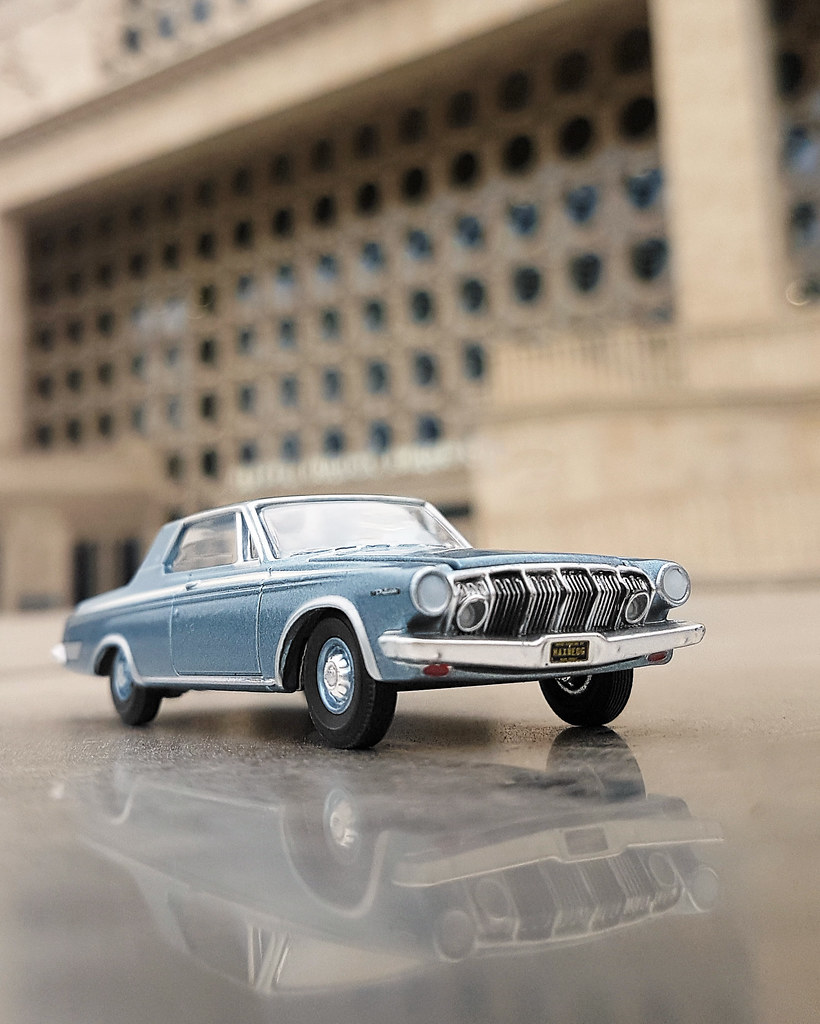
Die-cast collecting is the collecting hobby of scale. A single mainline Hot Wheels car costs about a dollar — which is exactly why collections balloon into the hundreds or thousands, and why the real challenge isn’t buying but tracking. Value hides in the details: a slightly different wheel, a color that ran for one production batch, a Treasure Hunt short-packed into a case. This guide covers which cars matter, how to tell a genuine variation from a custom, and how to keep a large collection documented and insurable.
The major die-cast lines
Most collectors anchor on one or two lines, then branch out. The cornerstones:
- Hot Wheels (Mattel, since 1968) — the dominant 1:64 line, where vintage Redlines, Treasure Hunts, and club exclusives drive the high end.
- Matchbox (Lesney, since 1953) — the original small-scale die-cast, prized for vintage models and original boxes.
- Premium & modern brands — Johnny Lightning, Greenlight, M2 Machines, Auto World, and Tomica, which target adult collectors with licensed castings and finer detail.
- Vintage Dinky & Corgi — older British die-cast, highly collectible but also the most prone to metal fatigue, so condition and originality are everything.
New to the shorthand? Our collecting glossary defines the terms and abbreviations used across the hobby.
Redlines & what makes vintage die-cast valuable
For Hot Wheels, the first thing to learn is the Redline era (1968–1977), named for the red stripe on the tires. These early cars — many in vivid Spectraflame paint — are the foundation of the vintage market. As with any collectible, value comes from the interplay of rarity, condition, and originality: an unrestored Redline in a desirable color and casting can be worth many times a common example.
Treasure Hunts, variations & errors
This is where modern die-cast value lives. Treasure Hunts are limited cars short-packed into mainline cases; Super Treasure Hunts add Spectraflame paint and rubber Real Riders tires. Beyond those, variations (the same casting in a different color, wheel type, or tampo) and genuine factory errors are the specialty of serious collectors — and the reason a careful eye, and good records, pay off. The trick is telling a true factory variation or error from post-production damage or a custom.
Deep dive: how to spot a Treasure Hunt & Super Treasure Hunt →
Deep dive: spotting variations & factory errors →
Curious what a specific car might be worth? Try our free value estimator →
Carded vs. loose
As with action figures, packaging drives value. A car still sealed on its original blister card — MOC (mint on card) — with a clean, uncreased card and an intact bubble holds the most collector value, particularly for rare castings. Open it and the value moves entirely to the loose car’s condition. Plenty of hobbyists open, display, and even customize their cars; just decide before you do, because it’s a one-way door.
Scale & premium die-cast
Mainline Hot Wheels and Matchbox are 1:64 — pocket scale, and the heart of the hobby. But die-cast spans 1:43, 1:24, and 1:18 premium models with opening parts, detailed interiors, and licensing from real manufacturers. Larger premium pieces cost more and appreciate differently than mainline cars, so many collectors keep them as a distinct part of the collection with their own valuations.
Condition, authentication & metal fatigue
For loose cars, grade honestly: paint chips, wheel wear, and missing parts all matter. Watch for restored or repainted cars and customs — legitimate when disclosed, a problem when sold as original. On older die-cast, inspect for metal fatigue (also called zinc pest or “mazak rot”), where impurities in the alloy cause the casting to bloat, warp, or crack; it can’t be reversed, so factor it into any vintage purchase. When a car is valuable, insist on clear photos, provenance, and a trusted seller.
Storage & care
Keep cars out of direct sunlight, which fades paint and yellows blister cards, and maintain stable, moderate humidity and temperature. Store away from raw PVC and off-gassing plastics that can damage paint over time. Display cases are great — just position them away from windows. For a large collection, the bigger risk isn’t any single car; it’s losing track of what you own and what it’s worth.
Cataloging & managing your collection
Die-cast collections grow faster than almost any other — and the details that separate a dollar car from a prized one (casting, year, color, wheel type, tampo variation, Treasure Hunt status, condition) are subtle and easy to lose track of across thousands of pieces. A dedicated collection manager keeps a per-car record with photos, variation notes, and AI-assisted valuations in one insurance-ready place, so a shoebox of cars becomes a documented collection you actually know the value of.
Frequently asked questions
Are old Hot Wheels actually worth anything?
Most mainline cars are worth little individually — the value concentrates in specific pieces: early 1968–1977 "Redlines," Treasure Hunts, factory errors, low-production variations, and sought-after premium or club exclusives. A common car in played-with shape is a dollar piece; the right casting, color, or variation in top condition can be worth hundreds or more.
What is a Hot Wheels Treasure Hunt?
Treasure Hunts are limited cars seeded into regular mainline cases, making them harder to find at retail. "Super" Treasure Hunts go further, with premium Spectraflame paint and rubber "Real Riders" tires. Because they're short-packed, they command a premium over standard mainline cars — and spotting one in the wild is part of the fun.
Should I keep die-cast carded or open it?
It depends on your goals. A sealed car on a clean, uncreased card (MOC) preserves the highest collector value, especially for rare castings. Many hobbyists happily open and display or customize their cars — which is fine, but value then shifts entirely to the loose car's condition. Decide before you open: it's a one-way door.
Do factory errors make a die-cast car more valuable?
Often, yes. Genuine factory errors — wrong wheels, missing or misaligned tampos (the printed graphics), or unintended colors — are scarce and prized by variation collectors. The key is distinguishing a true factory error from post-production damage or a custom, which is where documentation and trusted sellers matter.
How do I store a die-cast collection so it lasts?
Keep cars out of direct sunlight (UV fades paint and yellows blister cards), in stable, moderate humidity and temperature, and away from PVC and off-gassing plastics. Older die-cast can suffer "metal fatigue," where impurities in the zinc alloy cause the casting to warp or crack over time — there's no cure, so buy carefully and store cool and dry. Keep a documented inventory with photos and values, which is exactly what a collection manager like Relicara provides.
Catalog your die-cast with confidence
Track castings, variations, condition, and AI-powered valuations — and keep insurance-ready records for every car.
Start your free collection