
Collecting Vintage Action Figures: A Complete Guide
How to start, authenticate, grade, value, and care for a vintage action figure collection — from GI Joe and Star Wars to Masters of the Universe and beyond.
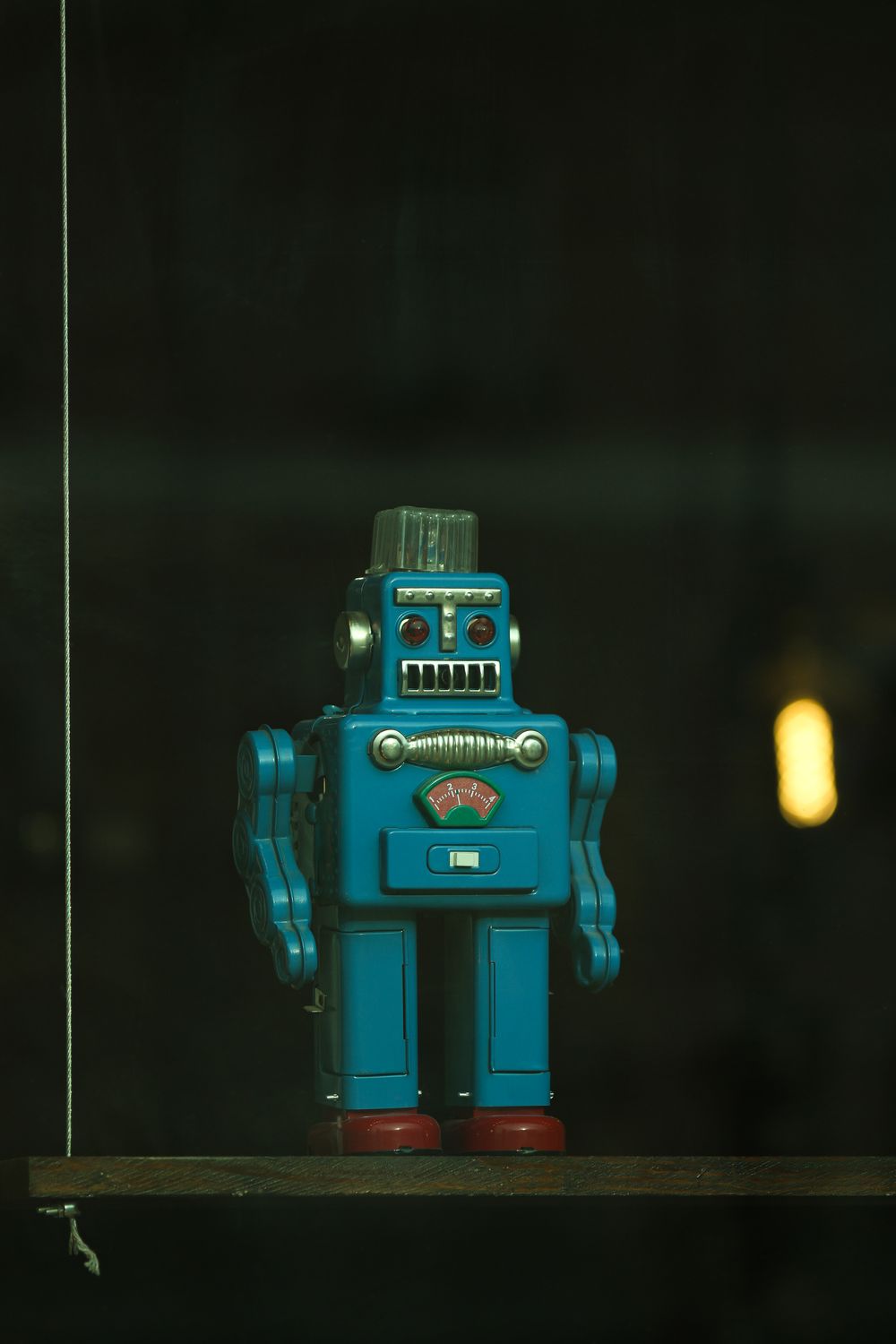
Few collecting fields run on nostalgia quite like vintage action figures. The toys of the 1970s, ’80s, and early ’90s have grown into a serious market — and one with rules all its own. Unlike coins or stamps, a figure’s value hinges on whether it’s still sealed on its card, whether it’s complete with its tiny original accessories, and how well fragile plastic and cardboard have survived decades of play and storage. This guide covers what to collect, how to authenticate and grade it, what drives value, and how to keep it all documented.
The major vintage lines
Most serious collectors specialize by line, era, or character rather than buying broadly — depth builds expertise and a more coherent, more valuable collection. The cornerstone lines include:
- GI Joe: A Real American Hero (Hasbro, 1982–1994) — the 3.75″ line that defined modern action figures, known for its swivel-arm “battle grip,” rubber O-ring construction, and file-card backstories.
- Vintage Star Wars (Kenner, 1977–1985) — the most heavily graded and documented line, where card backs, weapon variants, and figures like the vinyl-cape Jawa drive the high end.
- Masters of the Universe (Mattel, 1982–1987) — chunky figures with spring-action waists, pack-in mini-comics, and a passionate following.
- Transformers, Teenage Mutant Ninja Turtles, and others — deep, well-collected lines with their own variant quirks and grading markets.
Not sure what a term means? Our collecting glossary defines the abbreviations and grading shorthand used throughout the hobby.
Carded vs. loose: the central value question
The single biggest factor in a figure’s value is whether it’s still in its package. Collectors use shorthand: MOC (mint on card), MOSC (mint on sealed card), MISB (mint in sealed box), and simply loose for a figure removed from its packaging. A sealed, well-preserved card can be worth many times the same figure loose — but only if the card and bubble are clean. Once opened, value shifts entirely to the figure’s condition and completeness.
Completeness & accessories
For loose figures, completeness is everything. The original weapons, helmets, backpacks, capes, and file cards are small, easily lost, and often the hardest part to replace — which is exactly why a complete figure can be worth several times an incomplete one. Before buying or valuing a loose figure, confirm precisely which accessories it shipped with; a “complete” figure missing one correct piece is really an incomplete one. Keeping an accurate, per-figure checklist of accessories is one of the most useful things a collector can do.
Grading: AFA, UKG & raw
Third-party grading services — AFA (Action Figure Authority) in the US and UKG in the UK — seal an item in a protective case with an objective numeric grade, such as AFA 85 (NM+). For high-value carded pieces, a strong grade adds confidence, tamper-evidence, and price. For common or loose figures, the grading fee often exceeds the value it adds, so most collectors keep those “raw” (ungraded). Decide grading case by case, based on the item’s value and your goals.
Authentication & reproductions
Reproduction accessories and weapons are everywhere, and whole bootleg figures exist for the most valuable characters. Repro parts are perfectly legitimate for display — when disclosed; the problem is undisclosed repros sold at original prices. Learn the correct materials, paint applications, and copyright and country-of-manufacture stamps for each line and year, compare against documented originals, and buy from sellers who stand behind authenticity. On carded items, watch for resealed bubbles and swapped cards. When a purchase is significant, insist on provenance and, if needed, an expert opinion.
What drives value
Value comes from the interplay of line and character (rare or short-packed characters and variants command more), condition, and completeness. Card-back variations, weapon variants (for example, early Star Wars lightsaber types), and regional releases can separate an ordinary figure from a prized one. But for most pieces, condition and completeness move the price more than the character — a common figure in pristine, complete shape often beats a rare one that’s beaten and missing parts.
Want a quick, transparent estimate for a single piece? Try our free value estimator →
Condition & care
Vintage plastic and cardboard are fragile. Keep figures out of direct sunlight — UV yellows plastic and bubbles and fades cards. Maintain stable, moderate humidity and temperature, and protect carded pieces from dust and pressure that crush blisters. On lines like vintage GI Joe and Masters of the Universe, the rubber O-ring or waistband perishes over time and can be carefully replaced to keep a figure together. Resist heavy “restoration”: cleaning is fine, but repainting or re-stickering usually destroys value rather than adding it, and should always be disclosed.
Cataloging & managing your collection
Action figure collections grow fast, and the details that drive value — which accessories each figure needs, condition notes, card-back variants, grades, photos, and current values — quickly become impossible to hold in your head. A dedicated collection manager keeps a per-figure record with completeness checklists, photos, and AI-assisted valuations, all in one insurance-ready place. That’s the difference between a shelf of toys and a documented, defensible collection.
Frequently asked questions
Are loose action figures worth anything, or do they need to be carded?
Both have a market. A sealed figure on its original card (MOC/MOSC) commands the highest premium, but loose figures are very collectible too — provided they are complete with their original accessories. A complete, clean loose figure is often worth several times an incomplete one, because the missing weapons and parts are frequently the hardest pieces to replace.
What does AFA grading mean and is it worth it?
AFA (Action Figure Authority) is the hobby's main third-party grading service; UKG serves a similar role in the UK. They seal an item in a case with a numeric grade (for example, AFA 85 NM+). Grading makes sense for high-value carded pieces where an objective, tamper-evident grade adds confidence and price — but it rarely pays off on common or loose figures, where the grading fee can exceed the value added.
How do I tell a real vintage figure from a reproduction?
Reproduction weapons, accessories, and even whole bootleg figures are common. Learn the correct materials, paint, and markings for each line and year, compare against documented originals, and check copyright stamps and country-of-manufacture marks. Reproductions are legitimate for display when disclosed — the problem is undisclosed repro parts sold as original, which is why provenance and trusted sellers matter.
What hurts the value of a vintage action figure most?
For loose figures: missing accessories, paint wear, and loose or broken joints (and, on lines like vintage GI Joe and MOTU, a perished rubber O-ring or waistband). For carded figures: a creased, faded, or price-stickered card and a crushed or yellowed bubble. Condition and completeness usually move price more than the character itself.
How should I store a vintage figure collection?
Keep figures out of direct sunlight (UV yellows plastic and fades cards and bubbles), in stable, moderate humidity and temperature, and away from dust and pressure that can crush blisters. Store loose figures so accessories don't get separated, and keep a documented inventory with photos and current values — which is exactly what a collection manager like Relicara provides for insurance and estate planning.
Catalog your action figures with confidence
Track completeness, condition, and AI-powered valuations — and keep insurance-ready records for every figure.
Start your free collection