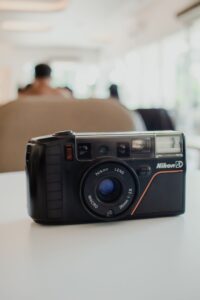

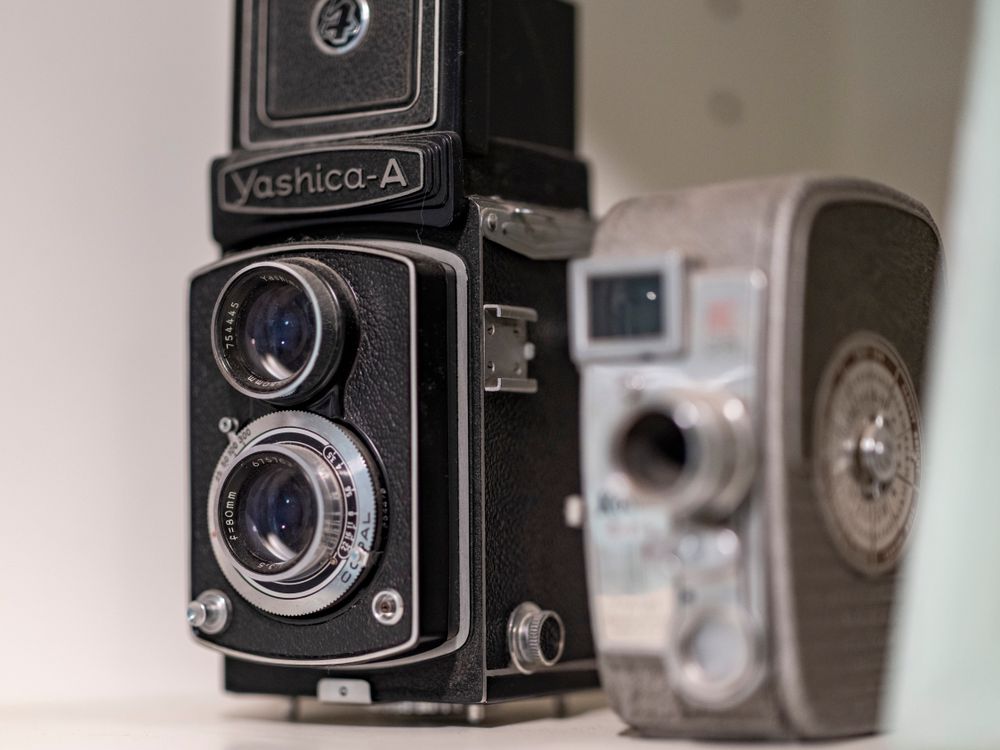
The single biggest threat to a vintage camera collection isn’t dropping a camera — it’s slow, invisible damage in storage. Lens fungus, perished seals, and corrosion quietly ruin cameras that are never even handled. The good news: nearly all of it is preventable with the right storage. Here is how to keep a collection healthy for the long term.
Part of our Vintage Camera Guide. This is a deep dive on one topic from our complete resource for collectors. Read the full Vintage Camera Guide →
Fungus: the number-one enemy
Lens fungus — web- or branch-like growths inside the glass — is the most feared storage problem, and it thrives in warm, humid, dark, still air. Once established, it can etch the coatings and glass permanently. Prevention beats cure: control humidity, keep air moving, and never seal cameras away damp.
Control humidity above all
Aim for moderate, stable humidity — too damp invites fungus and corrosion, too dry can harm some materials. In humid climates, store cameras with silica gel desiccant (recharged periodically) or in a dedicated dry cabinet. Avoid basements, attics, and sealed plastic bags, where moisture collects. A simple hygrometer tells you what you are actually dealing with.
Light, air, and temperature
A little indirect light discourages fungus, so a glass-front cabinet in a normally lit room beats a dark sealed box. Let air circulate rather than vacuum-sealing gear. Keep temperature stable and moderate — avoid heat sources and big swings, which stress seals, lubricants, and electronics.
Batteries and seals
Remove batteries from any camera going into storage; leaking cells corrode contacts and can ruin a camera. Check light seals periodically — the foam perishes with age regardless of use — and replace it when it crumbles. Exercise shutters and advance mechanisms occasionally so lubricants don’t congeal and parts don’t seize.
How to store the cameras themselves
- Keep lens caps on, but don’t seal lenses in airtight bags long term.
- Store bodies with a body cap and lenses with both caps to keep dust out.
- Give pieces a little space rather than cramming them together.
- Keep silica gel nearby and recharge it on a schedule.
- Position cabinets away from direct sun and heat sources.
Catch problems early
Inspect the collection periodically — look through lenses toward a light for the first signs of fungus or haze, check seals, and confirm the desiccant is still active. Catching fungus early, before it etches the glass, is the difference between a quick clean and a ruined lens.
Document condition over time
Storage is really about preserving condition — and condition is value. Relicara lets you record each camera and lens with photos and condition notes, so you can track a collection’s health over time and keep it insurance-ready. New to caring for old cameras? See how to tell if a vintage film camera works or the full vintage camera guide.