

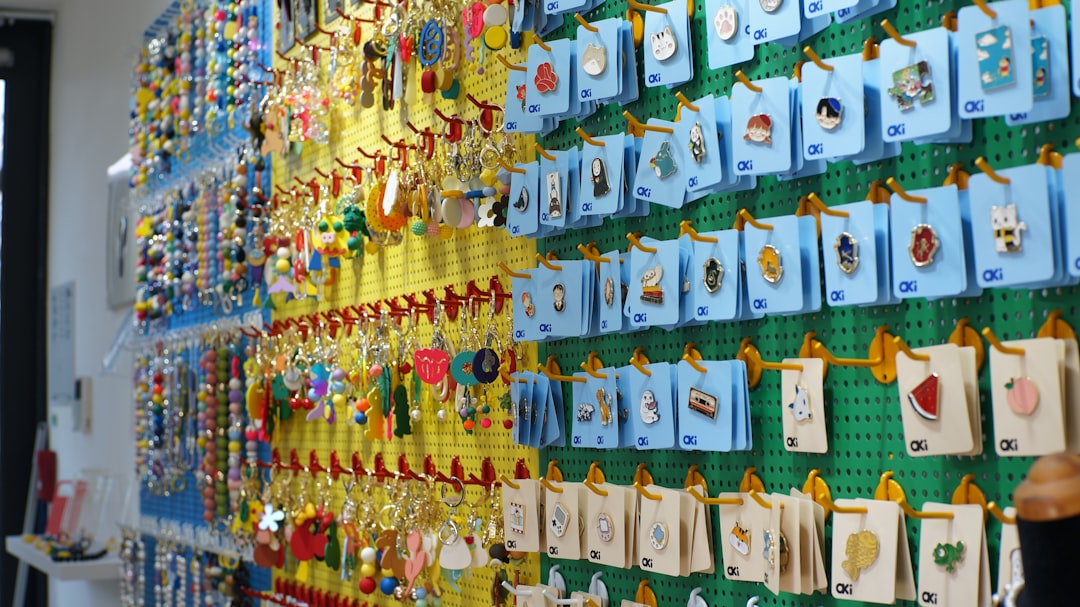
Whether you have a single drawer overflowing with enamel pins or three binders stuffed with trading card inserts, you already know the dirty secret of micro-collecting: the smaller the item, the harder it is to manage. Micro-collectibles tracking has become one of the most searched topics in the hobby community — and for good reason. These tiny treasures are multiplying faster than most collectors can catalog them.
This guide breaks down what micro-collectibles are, why they’re surging in popularity, the challenges of managing hundreds (or thousands) of small items, and how dedicated platforms like Relicara are purpose-built to help you stay organized and in control.
What Are Micro-Collectibles — and Why Are They Exploding?
Micro-collectibles are small-format collectible items — typically under four inches — that are produced in sets, series, or limited runs. Unlike a vintage baseball card or a piece of antique pottery, micro-collectibles are designed to be collected in quantity. The thrill isn’t just owning one; it’s completing the set.
The market has exploded over the past decade for several reasons:
- Accessibility. A single enamel pin retails for $8–$20. A blind box miniature might cost $12. The low per-item price point lowers the barrier to entry dramatically.
- Community. Trading culture is deeply embedded in micro-collecting. Pins, patches, and stickers are traded at conventions, swap meets, and online forums.
- Limited editions. Brands, artists, and retailers frequently drop limited or exclusive variants — creating FOMO-driven demand and aftermarket value.
- Compact display. Pins on a jacket, charms on a bracelet, miniatures on a shelf — micro-collectibles integrate into daily life in ways that large collectibles cannot.
The result? A generation of collectors who own hundreds of items — often with overlapping sets, variant versions, and condition differences that make organization genuinely complex.
The Micro-Collectibles Universe: Categories and Types
Before tackling tracking, it helps to understand the breadth of the micro-collectibles space. This isn’t a single hobby — it’s a dozen overlapping communities.
Enamel Pins
Hard and soft enamel pins are among the most popular micro-collectibles today. Artists, brands, and fandoms produce limited runs constantly. A serious collector may own 300–1,000+ pins across dozens of sets, many with chase variants or glow-in-the-dark editions.
Charms
Phone charms, keychain charms, and bracelet charms are another fast-growing segment. Brands like Jibbitz, Sanrio, and indie artists produce charms in extensive series — often with rare variants that command significant resale premiums.
Trading Card Inserts
Within the trading card hobby, insert cards — refractors, foil variants, autographs, relics — function as micro-collectibles within a larger set. Collectors often pursue complete insert sets independent of the base set.
Miniatures and Blind Boxes
Brands like Funko Pop (Mini), Sonny Angel, and Labubu produce small-format figurines, often sold blind (you don’t know which variant you’re getting). Completing a full series requires tracking what you have and what you still need.
Stickers and Die-Cuts
Sticker collecting has exploded, particularly among anime and pop culture fans. Die-cut sticker sets with holographic variants are highly sought-after, with condition and completeness mattering significantly to value.
Patches
Embroidered and woven patches — particularly from outdoor brands, military, and gaming communities — are traded, sold, and collected in dense sets. Many patches have rare or limited-edition versions that multiply in value over time.
The Real Challenge: Tracking Hundreds of Tiny Items
Here’s where micro-collecting gets genuinely difficult — and where most collectors eventually hit a wall.
When you own 400 enamel pins, you face problems that a baseball card collector with 50 graded cards simply does not:
Duplicates are inevitable. Without a running inventory, you will buy items you already own. At a convention or online sale, you might grab a pin “just in case” — only to discover it’s your third copy.
Set completion becomes opaque. Do you have all 24 pins from a particular series? Which of the five chase variants are you still missing? Without an organized system, answering this question means physically going through your collection every time.
Condition tracking is difficult. Micro-collectibles vary significantly in condition — enamel chipping, bent posts, scratched backing cards. Tracking which copies are display-quality versus storage-only matters if you plan to sell or trade.
Valuation is a moving target. A blind box figurine that retailed for $12 might resell for $80 when it’s a rare variant and the series is sold out. Without a database, you’re leaving money on the table — or selling undervalued.
Storage and location management. Pin collectors use binder pages, corkboards, shadowboxes, and display cases. Knowing where a specific item is stored is its own challenge when you own hundreds of pieces across multiple storage systems.
Spreadsheets vs. Apps: Why Collectors Outgrow Manual Tracking
The first instinct for most organized collectors is a spreadsheet. Google Sheets or Excel can absolutely work — up to a point. A spreadsheet gives you:
- A list of owned items
- Basic fields like condition, purchase price, and notes
- Sorting and filtering capabilities
But spreadsheets break down quickly as a collection grows:
No image support. Identifying a pin variant by name alone is often impossible. Spreadsheets don’t let you attach photos in a practical way, meaning variant identification requires cross-referencing external sources.
No set-completion logic. A spreadsheet can’t tell you “you own 17 of 24 items in this series.” You’d need to build that logic yourself — and maintain it manually as new variants are discovered.
No mobile access (practically). You’re at a convention and want to check if you already own a particular item. A spreadsheet on your phone is clunky at best, unusable at worst.
No collaborative features. Sharing your wantlist with other collectors for trades requires exporting, formatting, and sending — not a seamless process.
No valuation integration. Spreadsheets are static. They don’t pull market pricing data to help you understand the current value of your collection.
The answer for serious micro-collectors is a purpose-built platform — one designed around the realities of small-format, high-volume, set-based collecting.
What to Look For in a Micro-Collectibles Tracking Platform
Not all collection management tools are created equal. Most were built with large-format collectibles in mind — coins, stamps, vintage toys — and treat small-format items as an afterthought. When evaluating a micro collectibles database platform, look for:
Set and series management. The platform should allow you to define a set, log each item within it, and automatically calculate your completion percentage. This is the core use case for micro-collectors.
Variant and edition tracking. Every platform should support variants — the glow-in-the-dark edition, the convention exclusive, the error version. These need to be logged as distinct entries, not just notes on a record.
Image-first design. Tiny items are identified visually. A platform that doesn’t put images front and center is building for a different kind of collector.
Condition grading. Even informal condition grades (Mint, Near Mint, Good, Poor) help you triage your collection for selling, trading, or display.
Wantlist and duplicate flagging. The system should let you mark items you’re seeking and automatically flag duplicates so you can route them toward trades.
Mobile access. Convention floors and swap meets are where micro-collectors buy, sell, and trade. You need real-time access to your collection on a mobile device.
Valuation tools. For higher-value micro-collectibles — rare chase variants, limited-run pins, first-edition blind box figures — understanding market value is essential. Platforms that integrate pricing data give collectors a significant edge.
How Relicara Handles Micro-Collectibles
Relicara was built for the full spectrum of serious collectors — and its feature set maps directly to the needs of micro-collectors.
Set completion tracking is a core Relicara feature. You define a series, log the items you own against it, and Relicara automatically calculates your completion percentage. At a glance, you can see you’re at 18/24 on a pin series — and exactly which six you’re still missing.
Item-level management is granular. Each record in Relicara supports images, condition grades, variant designations, purchase price, current estimated value, and storage location. For a collection of 500 pins, this means every single item has a complete, searchable profile.
Duplicate detection ensures you never accidentally buy something you already own. When adding a new item, Relicara cross-references your existing catalog and flags potential matches — saving money and reducing frustration.
Wantlists let you log the specific variants you’re hunting. Share your wantlist with trading partners directly from the platform, making convention trades faster and more efficient.
Valuation at scale. Whether you’re tracking a $10 common pin or a $200 chase variant, Relicara’s valuation tools let you see the estimated market value of your entire micro-collection — not just individual items. That total portfolio view is something no spreadsheet can easily provide.
For collectors who track small collectibles across multiple categories — pins and charms and miniatures, all in one place — Relicara’s flexible item types mean you’re not forced into a single mold. Build your catalog your way.
Start Your Micro-Collectibles Database on Relicara — Free
The micro-collectibles community is one of the most active, passionate, and rapidly growing segments of the hobby world. But it’s also one of the most underserved when it comes to purpose-built management tools. General collection apps weren’t designed for 600 enamel pins with variant tracking and set-completion logic.
Relicara was.
Whether you’re just building out your first pin collection or you’re a seasoned collector managing thousands of items across multiple series, Relicara gives you the infrastructure to track, value, and grow your collection with confidence.
Start your free micro-collectibles database on Relicara today →
No credit card required. Your collection — finally organized.