

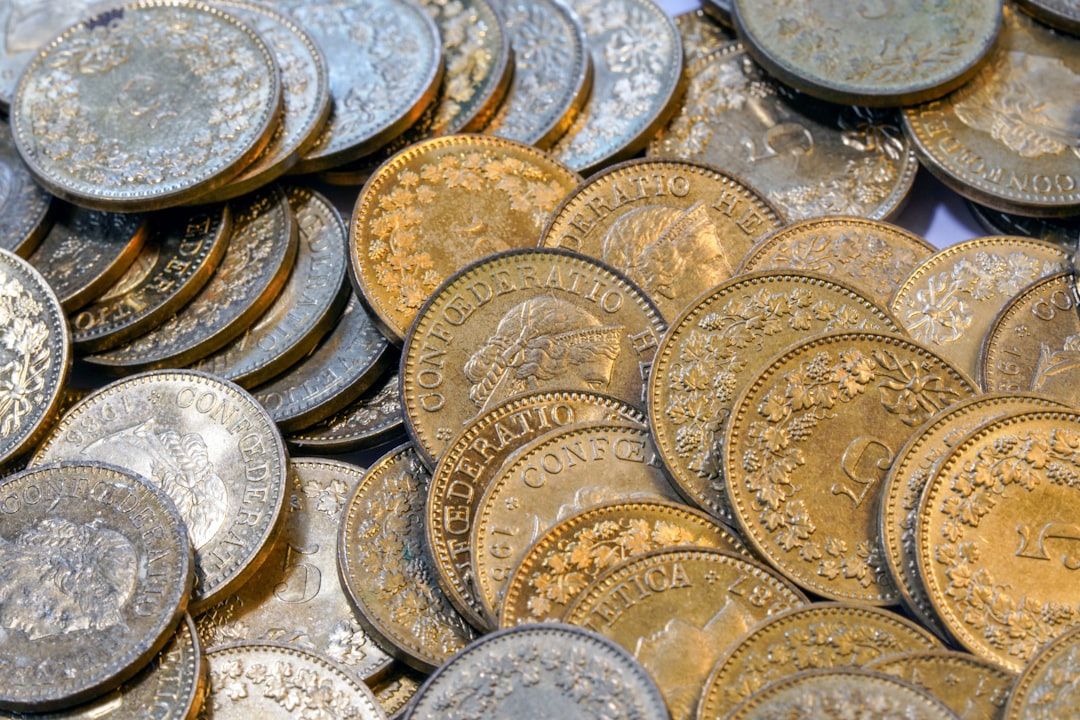
Millions of people collect things they love — vintage baseball cards, rare coins, antique militaria, limited-edition toys. But a growing number of serious collectors are asking a different kind of question: What is my collection actually worth, and is it working as hard as my other assets?
The answer, increasingly, is yes. Collectibles have evolved from a passionate hobby into a recognized alternative asset class, attracting institutional interest, dedicated indexes, and sophisticated investors alongside traditional enthusiasts. Whether you're a lifelong collector or an investor exploring diversification, understanding how collectibles perform as investments — and what tools exist to manage them — is no longer optional. It's essential.
Historical Returns: How Collectibles Stack Up
The performance data on collectibles as an investment has matured significantly over the last two decades. Here's what the numbers show:
The PWCC Marketplace 500 Index — which tracks the top 500 sports cards by market activity — has delivered compound annual returns that rival, and in strong years surpass, the S&P 500. During the 2020–2021 collectibles boom, the index appreciated by over 100% in 18 months, far outpacing traditional equities.
Rare coins have a longer, steadier track record. The Professional Coin Grading Service (PCGS) CoinFacts Price Guide shows that top-tier certified coins (MS-65 and above) across major U.S. series have produced average annual returns of 8–12% over 30-year periods — consistent with mid-cap equity performance, but with significantly lower correlation to stock market volatility.
Vintage toys — particularly sealed examples of Star Wars figures, Hot Wheels Redlines, and early LEGO sets — have appreciated at extraordinary rates. A 1978 Kenner "Double Telescoping" Luke Skywalker figure in sealed packaging sold for over $76,000 in 2022. An unopened first-run Hot Wheels Volkswagen Beach Bomb has changed hands for $125,000+.
The caveat: These headline numbers reflect best-in-class examples. Average collectibles investment returns across broad categories are more modest and highly variable. Context, condition, and category selection matter enormously — which is why serious collectors treat portfolio management as seriously as their acquisitions.
What Makes a Collectible Appreciate in Value?
Not every collectible becomes a valuable investment. The ones that do tend to share several defining characteristics:
Scarcity and finite supply. Unlike stocks, which can issue new shares, the supply of genuine 1952 Topps Mickey Mantle cards is fixed. Scarcity creates the floor for long-term appreciation, especially as demand from aging collectors and new enthusiasts continues to grow.
Condition and provenance. A coin graded MS-70 by PCGS can be worth 10–50x the same coin in MS-60. Provenance — documented ownership history — adds significant premium to militaria, fine art, and historical artifacts. Condition is the single most important value driver after scarcity.
Cultural relevance and nostalgia cycles. Collectibles tied to enduring cultural touchstones — Star Wars, the Beatles, World War II history — benefit from multigenerational demand. As the generation that first encountered these items enters peak earning years, demand (and prices) rise.
Third-party authentication and grading. The professionalization of grading services (PCGS, NGC for coins; PSA, BGS for cards) has transformed collectibles markets by adding transparency, standardization, and buyer confidence. Authenticated items command dramatically higher prices than ungraded equivalents.
Liquidity in an active market. The most investable collectibles exist in categories with established, active secondary markets — auction houses, specialized platforms, and dealer networks that allow you to sell efficiently when the time comes.
The Real Risks Every Collector-Investor Must Understand
Collectibles investment returns can be exceptional — but the risks are just as real. Entering this asset class without eyes open is a recipe for disappointment.
Liquidity risk. Unlike stocks, you can't sell a rare coin in a millisecond. Depending on category and condition, selling a collectible can take weeks to months, and the realized price depends heavily on timing, platform choice, and buyer pool depth. Plan your liquidity needs accordingly.
Condition grading subjectivity and risk. Even with professional grading services, condition assessment involves some subjectivity. A coin or card can be "cracked out" of its slab and re-submitted for a higher grade — and sometimes gets it, sometimes doesn't. Buying based on a grade without understanding the underlying item adds risk.
Market timing and category cycles. Collectible categories move in and out of favor. Sports cards went through boom-bust cycles in the 1990s and again in 2020–2022. Beanie Babies, once fetching four-figure prices, collapsed almost entirely. Entry price and exit timing are as important in collectibles as in equities.
Storage, insurance, and carrying costs. Physical assets require physical care. Climate-controlled storage, appropriate insurance, and security systems all eat into net returns — costs that are easy to underestimate and rarely discussed in return figures.
Fraud and counterfeiting. The higher the value, the higher the incentive to fake. Counterfeit coins, altered cards, and misrepresented provenance documents are real threats. Buying from reputable dealers and insisting on third-party authentication mitigates — but does not eliminate — this risk.
How Technology Is Changing the Collectibles Investment Game
For most of collecting history, valuation was an art form: dealer intuition, price guide references, and auction comparables stitched together by experience. That's changing fast.
AI-powered valuation tools now analyze thousands of recent comparable sales across auction platforms, private transactions, and grading service databases to produce real-time, data-driven estimates of an item's current market value. This democratizes access to information that previously required years of expertise or expensive appraisals.
Portfolio tracking platforms allow collectors to aggregate their entire collection into a single dashboard — tracking acquisition cost, current estimated value, unrealized gains/losses, and portfolio concentration — the same way an investor monitors a stock portfolio.
Automated alerts notify collectors when comparable items sell, when new price data affects their portfolio value, or when a category shows unusual market movement. This real-time intelligence transforms reactive collectors into proactive investors.
Digital provenance records are beginning to formalize ownership history in ways that add verifiable value at resale — particularly important in militaria, fine art, and high-value coins where provenance premiums can be substantial.
The gap between casual collecting and professional portfolio management is closing — but only for those using the right tools.
How Relicara Helps Collectors Track and Protect Their Investment Value
Relicara was built specifically for the collector-investor: someone who cares deeply about their collection and understands that it represents real financial value worth managing seriously.
Here's what Relicara brings to the table:
AI Valuation Engine. Relicara's AI analyzes live market data across multiple platforms to produce accurate, up-to-date valuations for your items — no manual price guide lookups, no guessing. Know what each piece in your collection is worth right now.
Portfolio Dashboard. See your entire collection as a financial portfolio — total estimated value, cost basis, unrealized gains, category breakdown, and value trends over time. The same clarity you'd expect from an investment account, applied to your collection.
Condition & Provenance Tracking. Log grading certificates, provenance documentation, and condition notes directly against each item. When it's time to sell, you have everything a serious buyer needs — already organized.
Market Alerts. Get notified when comparable items sell or when your tracked categories show significant price movement. Stay ahead of the market instead of chasing it.
Insurance & Estate Readiness. A well-documented Relicara portfolio produces the kind of itemized valuation records that insurance companies and estate attorneys require — protecting your investment on multiple fronts.
Whether you're managing a $10,000 coin collection or a $500,000 multi-category portfolio, Relicara gives you the infrastructure to treat your collection with the seriousness it deserves.
Start Tracking Your Collection's Value — Free
The collectors who will win the next decade aren't just the ones who acquire the best pieces. They're the ones who know what they own, understand what it's worth, and manage it with discipline.
Relicara is free to start. Add your first items, run your first AI valuations, and see your collection as the investment it truly is.
Start tracking your collection's value for free →
Your collection is an asset. It's time to treat it like one.