
Collecting Militaria: A Complete Guide
How to start, authenticate, value, document and care for a militaria collection. From medals and insignia to uniforms, edged weapons and bring-backs.
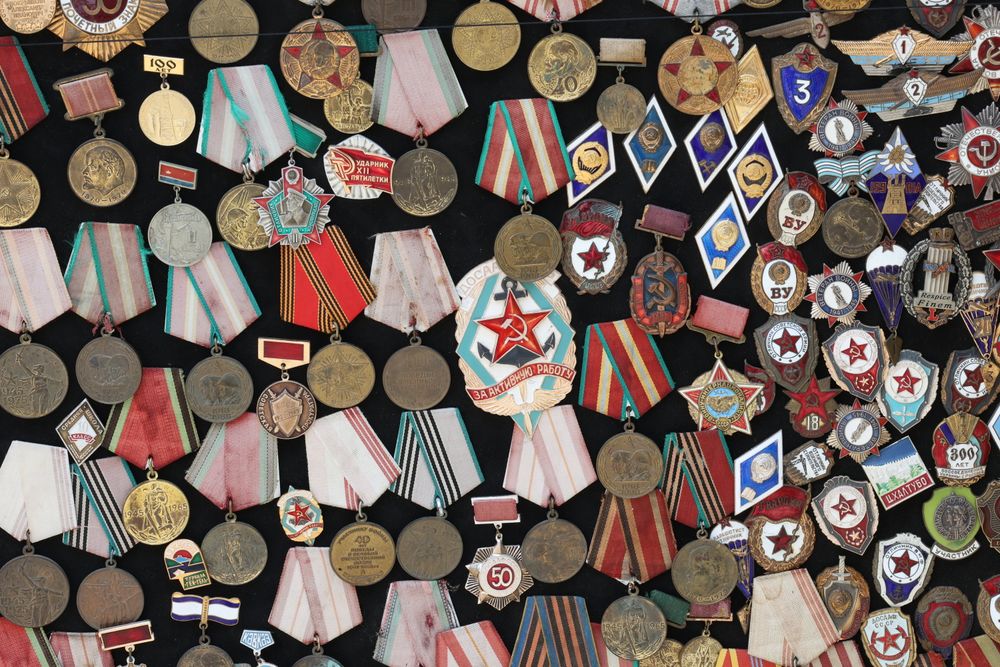
Militaria is history you can hold. It’s also one of the most faked corners of collecting, especially WWII German items. So the first rule is simple. Assume it’s a reproduction until it proves otherwise.
Plenty of militaria collections start in an attic. A grandfather’s footlocker, a medal case, a bayonet wrapped in a newspaper. If that’s how yours started, don’t clean anything and don’t split the pieces up yet. A medal still with its paperwork and photos can be worth more than the medal alone.
Already collecting? You know the drill. This guide covers what to collect, how to authenticate it, what drives value, and how to document it, with deeper guides linked as you go.
What counts as militaria
The field spans medals and awards, badges and insignia, uniforms and headgear, edged weapons and bayonets, field equipment, flags, and documents and photographs. Most experienced collectors narrow down by nation, era, branch or campaign. One focus, like US Army Air Forces insignia, teaches you more in a year than buying a bit of everything. It also makes fakes easier to spot.
Just inherited militaria?
Start by doing less. Don’t clean, polish or oil anything. Keep groupings together, and keep each medal with its box, ribbon and papers. Photograph everything as you found it. If there’s anything that looks like ordnance (shells, grenades, fuzes), don’t handle it, and contact your local police for advice. Then work out what you have before you talk to a dealer.
Authentication: the first skill to learn
Reproductions and outright fakes are common, especially for WWII German items. The more a category is worth, the better the fakes get. No single check settles it, so experienced collectors stack four.
- Handle it. Real pieces wear the way their age and use say they should. Look for natural patina on metal and period thread and fabric. Fakes often feel off: the wrong weight, stitching that looks too new or too even, or fresh plating over base metal.
- Read the marks. Wartime pieces often carry maker codes or acceptance stamps (Waffenamt marks on many German army pieces). Check them against a published reference for your niche, not a forum photo. Marks get faked too.
- Ask for the paper trail. Discharge papers naming the soldier, a period photo of the piece being worn, or an old auction record all help. Provenance doesn’t prove a piece is real. But when it’s missing, look harder.
- Pay for an opinion. Many specialist dealers and auction houses will authenticate for a fee. On a big purchase, that fee is small next to the cost of buying a fake.
Where to buy and sell militaria
Where you buy decides how much checking falls on you.
Auction houses are the most open market. Specialists like Hermann Historica near Munich and Rock Island Auction Company in Illinois handle a lot of military material, and their past results are public. That makes them a good place to find real sold prices for comparison.
Specialist dealers and shows let you handle a piece before you pay. Good dealers stand behind what they sell, and many will tell you what they know about where it came from. At a show you can check stitching, weight and paper quality in your hand, things a photo can hide.
Online marketplaces have the most volume and the most risk. eBay is the big one. Catawiki and Invaluable tend to carry more mid- to high-end pieces. Forums and Facebook groups can be cheaper, but all the checking is on you, and some platforms ban certain items outright.
Selling works the same way in reverse. An auction house or established dealer costs you a commission but puts the piece in front of serious buyers. Selling direct keeps the fee but puts the authentication questions on you.
Valuation: what drives the price
Price comes from rarity, condition, provenance and attribution (tying the item to a named person or unit). A medal tied to a named soldier, or a full group from one person’s service, usually sells for well over the same pieces sold loose. Condition matters, but don’t over-clean. Original patina and finish are part of the value.
Two more things move prices. The era and theater: pre-WWI pieces and rarer WWII theaters like North Africa or the Pacific can draw more interest. And demand cycles: airborne insignia or fighter pilot awards can be hot one year and quieter the next. So check recent sold prices for the same item, not asking prices, and note the date you checked.
Provenance & documentation
Provenance is the paper trail: where an item came from and who owned it. In militaria it often moves the price more than anything else. Bring-back papers, unit records, period photos and old sale receipts all count. Keep them with the item. And photograph them, because paper gets lost.
Storage & care
Use acid-free materials, keep temperature and humidity steady, and keep textiles and paper out of the light. Handle metal with clean hands, and store edged weapons so they don’t corrode. Don’t polish or restore. Conservation keeps value. Restoration usually costs it.
Cataloging & managing your collection
Once you’re past a few dozen pieces, the details pile up: photos, where each piece came from, condition notes, values, which box it’s in. A spreadsheet of item, date and price paid misses most of what gives militaria its value. For each piece, keep:
- Where it came from. Seller, prior owners, and any bring-back or unit paperwork. Write it down while the seller is still reachable.
- How you know it’s real. Close-up photos of marks and construction, plus any expert opinion or certificate.
- Condition, with dates. Dated photos help settle later arguments about damage or restoration.
- What you paid and what it’s worth now. Note the sold prices you based the value on, and recheck once or twice a year.
Relicara gives every item a record with photos, condition and value history. Custom fields cover the rest. A text field works for a note on where the piece came from or a shelf location, and you can photograph the bring-back papers alongside the item. Relicara doesn’t store documents as files, so keep the originals safe. The free plan holds one collection of 10 items. Premium adds CSV/PDF export, which is handy when an insurer asks for a list.
Frequently asked questions
How do I spot fake militaria?
Learn the maker marks and acceptance stamps (like WWII German Waffenamt marks), how the item was built, what it was made of, and what real aging looks like. Marks can be faked too, so don't rely on any single check. Compare against known originals, buy from dealers who guarantee authenticity, ask where the piece came from, and get a second opinion before you spend real money.
What makes militaria valuable?
Rarity, condition, provenance and attribution. Items tied to a named soldier or a specific unit usually sell for the most, especially complete groupings that still have their paperwork.
Is it legal to collect militaria?
Most militaria is legal to own, but rules vary by country and item. Some symbols, firearms, ordnance and edged weapons are restricted, and some marketplaces ban certain items outright. Check the law where you live before you buy, sell or ship. This is general information, not legal advice.
How should I store and insure a militaria collection?
Use acid-free materials, keep temperature and humidity steady, and keep textiles and paper out of direct light. For insurance, keep an inventory with photos, notes on where each piece came from and current values, and keep the original paperwork safe. Your policy wording decides what's covered, so ask your insurer what they need. This is general information, not insurance advice.
Catalog your militaria with confidence
A piece’s history is easy to lose and hard to rebuild, so give every piece a record with photos, notes and value history: start a free Relicara account.